1. Walk the grounds
For outdoor spaces, the crew walks fence lines, planters, corners and bushes where needles collect.
Wheaton, MD · Montgomery County
A stray needle on Wheaton property can hurt a child, a pet or a worker. Call (877) 812-4220 to get needle pickup, a thorough sharps sweep and sealed disposal.
If anyone is in danger, call 911 first. For a suicide crisis, call or text 988.
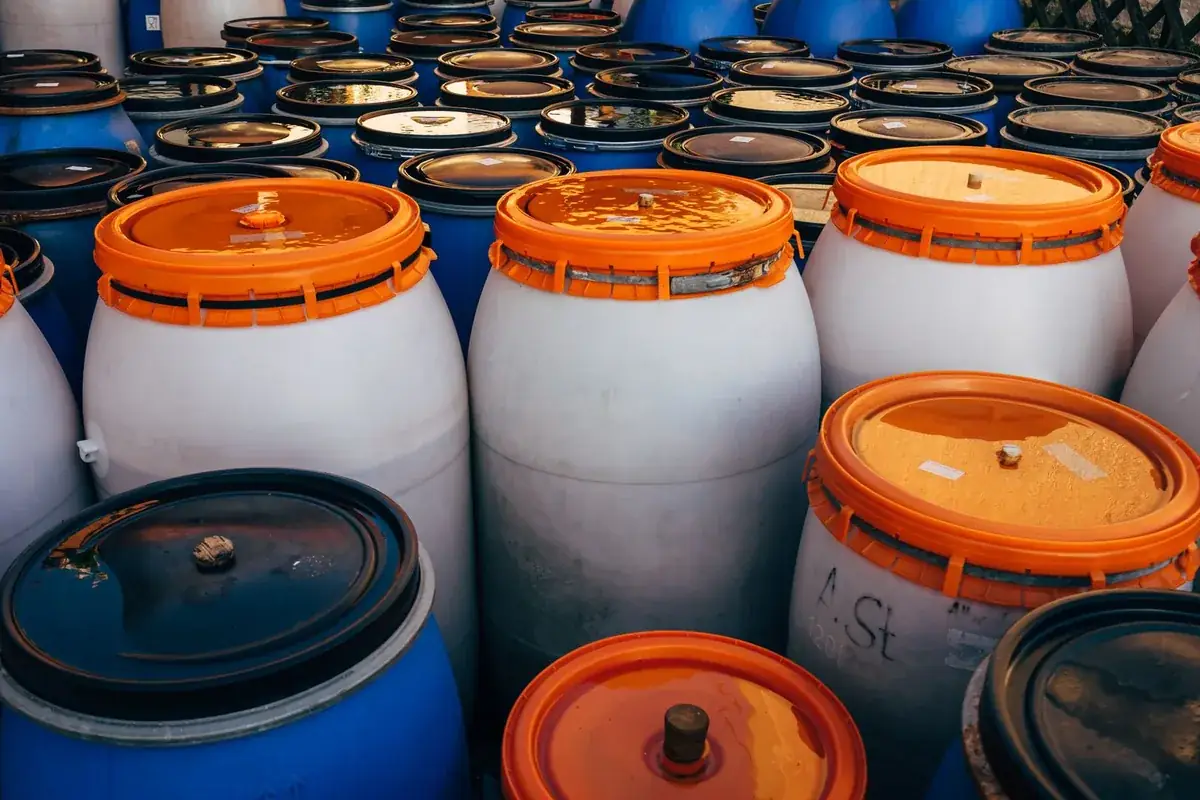
Biohazard sharps removal is more than picking up one needle. It involves sweeping an area, checking furniture and corners, collecting every sharp and confirming nothing is left behind.
If your school, church or small business in Wheaton finds needles outside, you can get calm, step-by-step cleanup from Wheaton Biohazard Cleanup Help. Crews search, collect and dispose of sharps across Montgomery County and explain what they found.
The vacancy rate in Montgomery County is only about 4%, so most needle calls come from occupied homes, rentals, yards and businesses. Tell the doctor where the needle was found. The nearest emergency room to Wheaton is Suburban Hospital, about 4 miles away.
A typical needle & sharps cleanup job includes:
For outdoor spaces, the crew walks fence lines, planters, corners and bushes where needles collect.
Long tools let the crew lift sharps without reaching. Nothing is picked up by hand.
Containers are sealed, loaded and taken away. They leave the property as one load.
The room is cleaned, odors are handled if needed, and the owner gets a summary of the work.
The cost of needle & sharps cleanup in Wheaton, MD depends on the amount of material, how it is packed and how it is hauled.
Whether surfaces need disinfecting changes the scope. Sharps lying on carpet, bedding or furniture can add cleaning or removal of soft materials.
| Type of job | Typical range |
|---|
Figures are planning ranges from , not a price for any specific Wheaton property. Price drivers include number of items, where they are found, whether a sweep of a large area is needed, waste disposal. Call (877) 812-4220 any hour.
Loose needles should not go in household trash, because they can stab sanitation workers. Rules for small amounts of household sharps vary by city and county. The local health department can say what is allowed, and a cleanup team can take larger amounts.
Do not go in to look. Report it to the owner, the local health department or a cleanup team. A team can sweep the whole building in protective gear, remove the sharps and give the owner a record of the work.
The price depends on the size of the area, the number of sharps and access. A short sweep costs less than a full building. A cleanup team can give a real price after hearing the details, and it should explain what is included before work begins.
Lease terms and local law decide. A landlord, an attorney or a tenant rights group can say who is responsible. In many cases the property owner books the sweep first so the unit can be used again, and the cost is sorted out afterward.
A used needle can carry bloodborne pathogens such as hepatitis B, hepatitis C and HIV. The chance of infection from one stick depends on many things, and a doctor can explain what applies. Get medical care promptly after any stick or cut.
Sometimes. Some homeowners and renters policies cover cleanup after a covered event, and many do not cover needles on their own. Call your insurance company before work starts, take photos from a safe spot, and keep every receipt. Check your policy rather than assuming.
Stay back, keep others away and let a cleanup team handle the sharps.
Call (877) 812-4220